A home can look perfect during a showing and still have problems that are difficult to spot without a professional inspection. Some findings are minor maintenance items, while others can point to expensive repairs or safety concerns.
So, what is the biggest red flag in a home inspection?
There isn’t one problem that automatically makes every home a bad purchase. However, serious structural problems, major water intrusion, significant electrical hazards, and extensive roof or foundation issues deserve close attention because they can affect the safety, condition, and future costs of the property.
A professional home inspection helps buyers understand these conditions before they make an important decision about the home.
The Biggest Red Flags Home Inspectors Look For
Home inspectors evaluate the visible and accessible components of a property and document conditions that may need repair, maintenance, or further evaluation.
Some of the most significant concerns include:
Structural and Foundation Problems
Foundation movement, significant cracking, damaged structural components, or other signs of structural deterioration can require further investigation.
Not every foundation crack means there is a major structural problem. The location, size, pattern, and other visible conditions help determine whether additional evaluation may be appropriate.
Significant Water Intrusion
Water entering through the roof, foundation, walls, windows, plumbing, or other areas can cause deterioration if the source is not corrected.
Signs of potential water problems can include stains, damaged materials, moisture, deterioration, musty odors, or evidence of previous repairs.
Serious Electrical Hazards
Electrical problems deserve particular attention because certain conditions can create safety risks. Examples may include exposed wiring, damaged components, improper modifications, or other visible electrical deficiencies.
When an electrical condition is beyond the scope of a home inspection, an electrician may need to evaluate it further.
Major Roof Problems
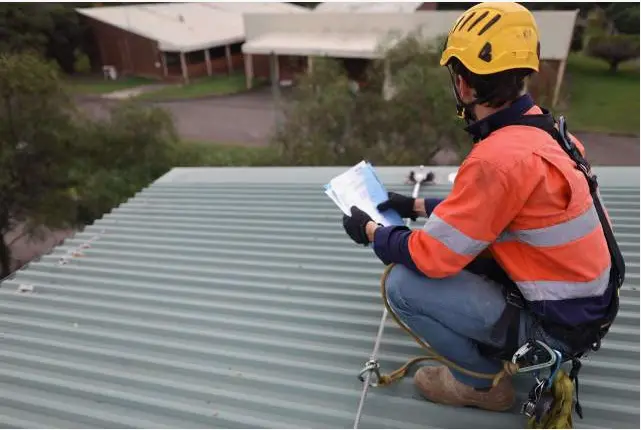
Roof deterioration, active leaks, damaged roofing materials, and drainage problems can result in expensive repairs if left unaddressed.
An older roof is not automatically a deal breaker. Its current condition and remaining service life are more important than age alone.
Plumbing and Sewer Issues
Leaks, damaged plumbing components, drainage problems, and sewer concerns can affect both the home’s function and the cost of ownership.
Some plumbing issues are relatively straightforward to correct, while others may require additional investigation by a qualified professional.
Safety Concerns
A home inspection can also identify conditions that may create safety risks, such as unsafe stairs or railings, missing safety features, or other hazardous conditions.
These findings should be reviewed carefully and addressed appropriately.
When Does an Inspection Problem Become a Deal Breaker?
Not every defect found during an inspection is a reason to walk away from a home.
A deal breaker depends on the buyer, the property, the severity of the condition, and the expected cost or difficulty of addressing it.
For one buyer, an aging roof may be manageable if they have budgeted for replacement. Another buyer may not want to take on a property with extensive structural repairs.
Problems that may require particularly careful consideration include:
- Significant structural damage
- Major foundation concerns
- Extensive water intrusion
- Serious electrical hazards
- Extensive roof deterioration
- Major plumbing or sewer problems
- Widespread moisture-related damage
- Significant safety hazards
- Major work that appears improperly completed
When a serious condition is identified, buyers may want to obtain additional information from an appropriate specialist before making a decision.
Common Problems That Can Cause Serious Concern
People often ask what things will “fail” a home inspection or what makes a house fail inspection.
In most cases, a home inspection is not a pass-or-fail test. The inspector’s job is to evaluate the observable condition of the property and report significant defects, safety concerns, and other conditions within the scope of the inspection.
A home can have multiple defects and still be a property that a buyer chooses to purchase.
The more useful questions are:
- How serious is the problem?
- Is it a safety concern?
- Is the condition active or from the past?
- How extensive does the problem appear to be?
- Does it require immediate attention?
- Should a specialist evaluate it?
- What repairs or replacement may be necessary?
Understanding these details is more useful than simply asking whether the house “passed” or “failed.”
The Top 3 Home Inspection Concerns Buyers Should Understand
There is no official list that ranks home inspection problems for every property. However, three categories commonly deserve careful attention because of their potential impact on safety and repair costs.
1. Structural Problems
Structural issues can affect important parts of the home, including the foundation and load-bearing components.
If an inspector observes conditions suggesting significant structural movement or deterioration, further evaluation may be recommended.
2. Major Water Problems
Water intrusion can affect roofing, walls, ceilings, foundations, flooring, and other parts of a home.
Finding the source is important. A stain or damaged material may be evidence of an older problem, an active leak, or a condition that needs additional investigation.
3. Serious Safety Hazards
Electrical hazards and other significant safety concerns deserve prompt attention. Buyers should understand whether the condition can be corrected easily or requires evaluation by a qualified professional.
Does a Home Inspection Have a Pass or Fail?
Generally, no.
A professional home inspection is intended to provide information about the current observable condition of the property, rather than issue a simple pass or fail.
An inspection report may contain:
- Major defects
- Minor defects
- Safety concerns
- Maintenance recommendations
- Aging components
- Areas requiring further evaluation
The presence of defects is normal in many homes, particularly older properties. What matters is understanding which findings are significant and what they may mean for the property.
What Should You Do After a Home Inspection Finds a Major Problem?
Finding a serious issue does not necessarily mean you need to abandon the purchase immediately.
Start by understanding exactly what the inspection report says. If the inspector recommends additional evaluation, consider contacting the appropriate specialist.
For example:
- Structural concerns may require evaluation by a structural professional.
- Electrical concerns may require an electrician.
- Significant roof problems may require a qualified roofing professional.
- Plumbing or sewer concerns may require a licensed plumber or appropriate specialist.
You can then discuss the findings with your real estate professional and consider the repair requirements, potential costs, and your plans for the property.
Why a Home Inspection Is Important Before Buying
A property purchase can involve a significant financial commitment. A home inspection provides buyers with information that may not be apparent during a normal property showing.
An inspection can help identify visible concerns involving areas such as:
- Foundation and structure
- Roofing
- Plumbing
- Electrical systems
- Heating and cooling
- Interior and exterior components
- Drainage
- Attic and accessible insulation
- Safety-related conditions
The goal is not to determine whether a home is perfect. Few homes are. The goal is to help buyers understand the property’s condition and identify issues that may deserve attention.
Home Inspections for Buyers in Southeast Michigan
For buyers in communities throughout Southeast Michigan, understanding the condition of a property before purchasing can help make the inspection process easier to navigate.
To The Rescue Home Inspection LLC serves home buyers throughout areas including Oxford, Lake Orion, Rochester Hills, Rochester, Clarkston, Auburn Hills, Waterford Township, Orion Township, Metamora, Leonard, Dryden, Ortonville, Lapeer, Romeo, Washington Township, Holly, White Lake Township, Pontiac, Goodrich, and Davison.
A local home inspection can help identify observable defects and maintenance concerns so buyers have more information about the property they are considering.
Frequently Asked Questions About Home Inspection Red Flags
What is the biggest red flag in a home inspection?
There is no single biggest red flag for every property. Significant structural problems, major water intrusion, serious electrical hazards, and extensive roof or foundation concerns can require particularly careful attention.
What things will fail a home inspection?
A home inspection generally does not have a simple pass-or-fail result. Instead, the inspector documents observable defects, safety concerns, maintenance issues, and conditions that may require further evaluation.
What is a deal breaker in a home inspection?
A deal breaker is a serious property condition that a particular buyer is unwilling or unable to take on. Structural problems, extensive water damage, major safety hazards, and substantial repair needs may be deal breakers depending on the circumstances.
What makes you fail a house inspection?
Most home inspections do not result in a pass or fail. The inspection provides a report describing the observable condition of the home’s major components and identifying significant concerns.
Should foundation cracks always be considered a red flag?
No. Foundation cracks can have different causes and levels of significance. Their size, location, pattern, and other visible conditions should be considered, and additional evaluation may be appropriate when the cause or severity is unclear.
Is an old roof a deal breaker?
Not necessarily. The condition of the roof, signs of damage or leakage, and expected remaining service life are more useful considerations than age alone.
Should you walk away because of a bad home inspection?
Not necessarily. Buyers should first understand the severity of the findings, determine whether further evaluation is needed, and consider the potential repair requirements before making a decision.
Schedule a Home Inspection Before You Buy
A home inspection can reveal conditions that aren’t obvious during a property showing. Knowing about major defects and maintenance concerns before closing gives buyers important information about the home they are considering.
To The Rescue Home Inspection LLC provides professional home inspection services for buyers throughout the surrounding Southeast Michigan communities.
If you’re buying a home, schedule an inspection and get a clearer understanding of the property’s observable condition before you move forward.